October 23, 2026
While both safety toe boots and standard work boots are built for demanding jobs, they serve different purposes. Standard work boots may provide comfort, durability, and traction for everyday tasks, while safety toe boots add an extra layer of protection against impacts, compression hazards, and other workplace risks. Understanding the differences can help workers choose footwear that matches both their job requirements and personal comfort preferences.
Comparing Construction Quality and Materials
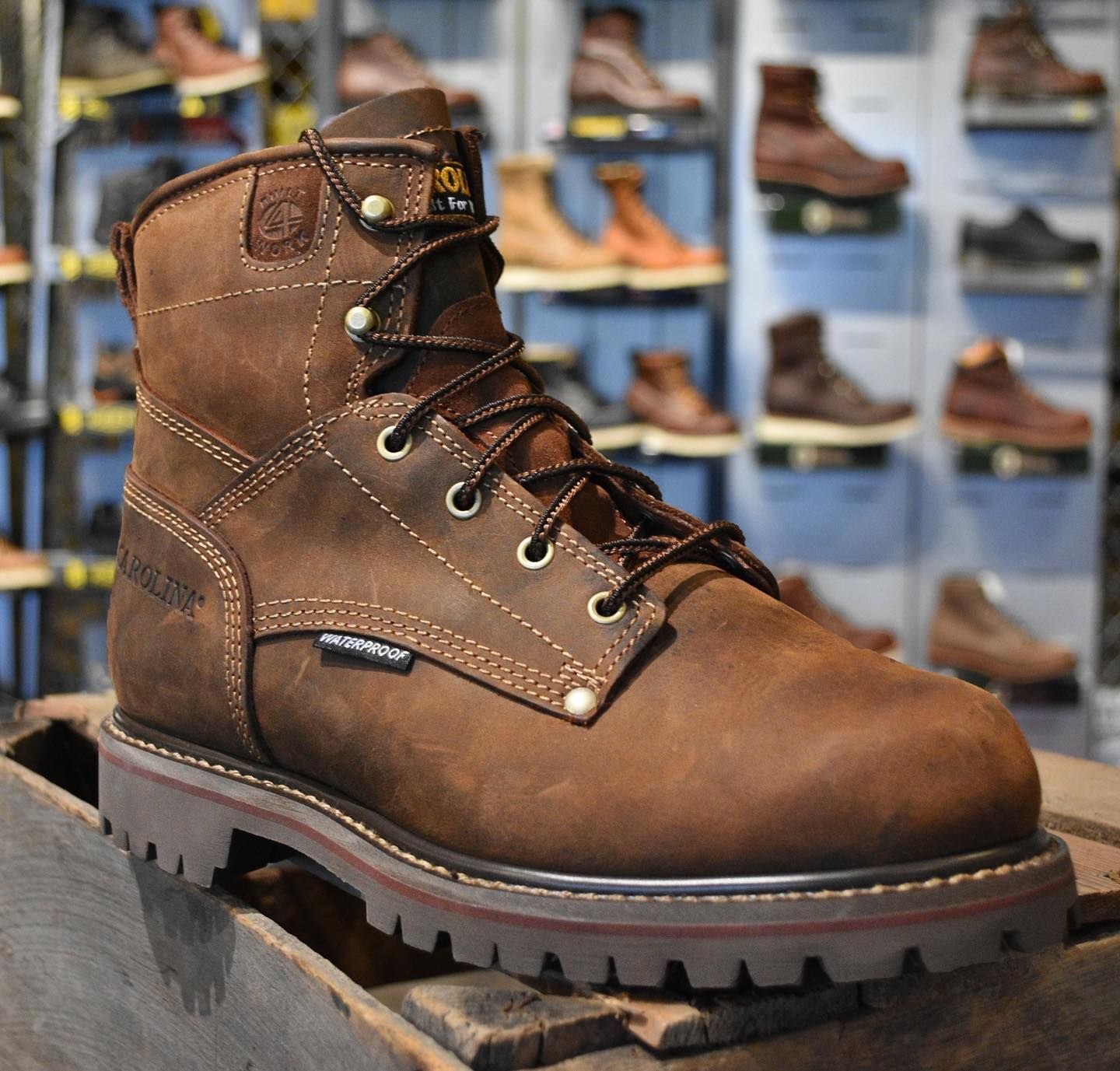
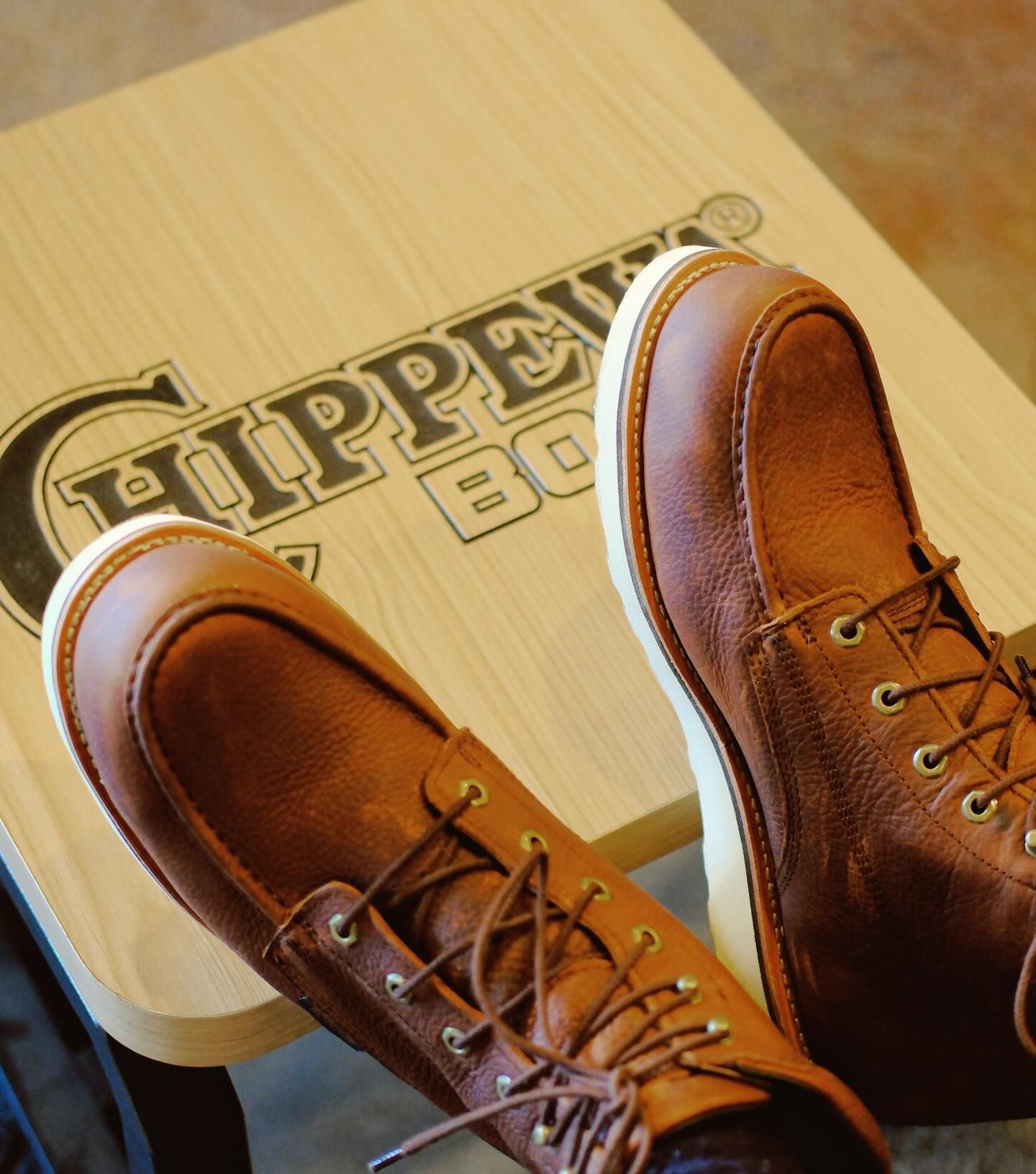
One of the biggest differences between premium safety toe boots and standard work boots is the overall quality of construction. Many high-end boots feature full-grain leather uppers, durable stitching, quality hardware, and heavier-duty soles designed to stand up to daily wear. While standard work boots can be durable as well, premium models often place greater emphasis on long-term performance, rebuildability, and comfort over years of use.
Good leather naturally repels water and resists scuffs from job-site debris. Inside, breathable linings and moisture-wicking fabrics help keep feet dry during hot summer shifts, while insulation keeps toes warm in freezing weather. High-quality boots often use resoleable Goodyear welt construction, allowing you to replace worn outsoles without giving up a well-fitted, broken-in leather upper.
Choosing the Right Safety Toe: Steel vs. Composite vs. Alloy
For workers who need impact and compression defense, picking the right type of safety toe cap comes down to weight, temperature, and job-site requirements:
- Steel Toe: The traditional standard for heavy-duty protection. Steel caps offer maximum impact resistance in a compact profile, making them very durable and widely accepted on high-hazard sites. However, they are heavier and can conduct cold in winter conditions.
- Composite Toe: Built from non-metallic materials like carbon fiber, fiberglass, or plastic. Composite toes are significantly lighter than steel, don't conduct heat or cold, and won't trigger metal detectors—making them ideal for nuclear plants, security checkpoints, and extreme weather.
- Alloy Toe: Made from lightweight metals like aluminum or titanium. Alloy toes provide the strength of steel with roughly half the weight, offering a slim profile and comfortable fit. They are slightly more expensive and will trigger metal detectors, but they excel in daily flexibility.
All-Day Comfort and Support
Comfort becomes increasingly important for workers who spend long days on their feet. Whether a boot has a safety toe or not, factors such as fit, arch support, cushioning, and overall boot design play a major role in reducing fatigue throughout the workday.
Quality work boots use contoured footbeds, shock-absorbing midsoles, and cushioned insoles that distribute your weight evenly. Features like removable orthotic inserts, adjustable lacing systems, and wider width options prevent painful friction blisters and keep your feet, knees, and lower back feeling good during double shifts on hard concrete or uneven terrain.
Essential Safety Features and Job-Site Protection
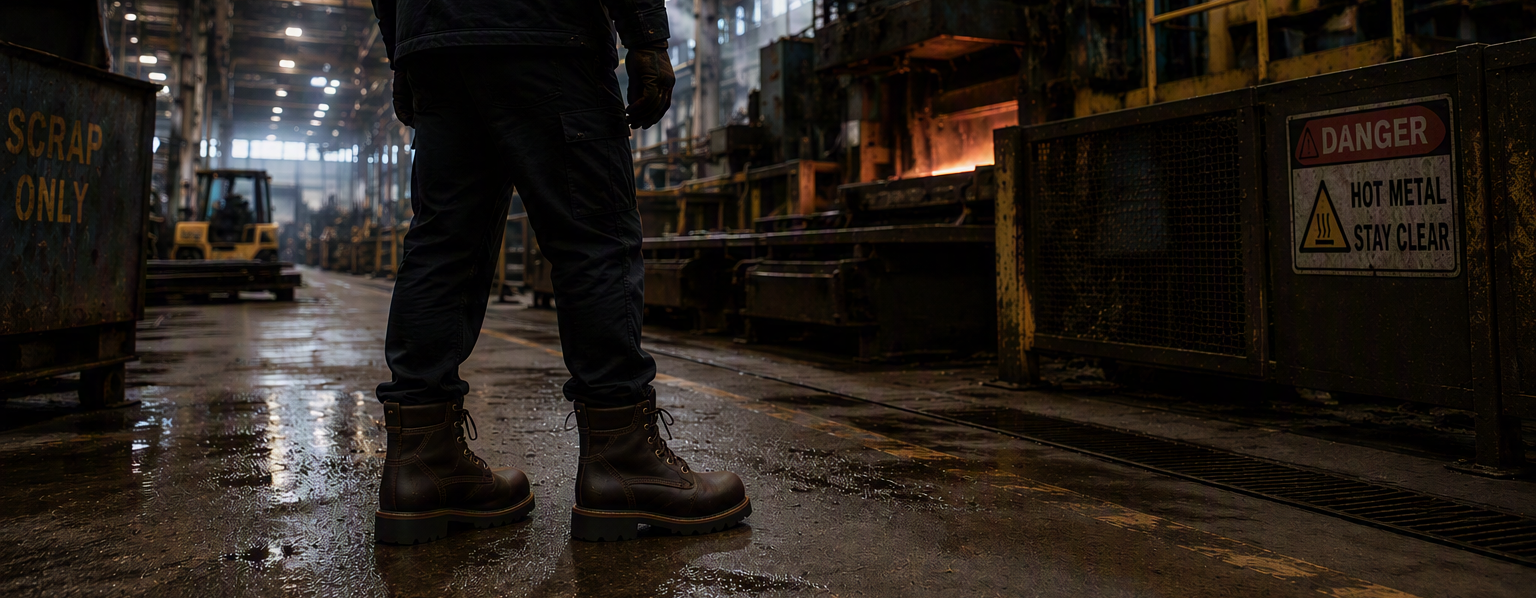
The primary feature that separates safety toe boots from standard work boots is the inclusion of a protective toe cap designed to help guard against impacts and compression. Depending on the job and work environment, workers may choose steel toe, composite toe, alloy toe, or other safety-rated options that meet applicable industry standards. According to Protex AI, private industry employers in the U.S. reported 2.6 million nonfatal workplace injuries and illnesses in 2023, underscoring the critical need for certified personal protective equipment on hazardous job sites.
Many safety toe boots are available with additional protective features such as electrical hazard protection, waterproof construction, puncture-resistant plates, insulation, or metatarsal guards. These features allow workers to select a boot designed for the specific demands of their trade. Non-conductive outsoles lower the risk of electric shock around live circuits, while oil- and chemical-resistant rubber outsoles with deep, self-cleaning tread patterns keep you stable on slick scaffolding or greasy concrete.
Matching Footwear to Your Specific Trade
Different trades demand different features:
- Outdoor & Cold Storage: Require waterproof membranes and heavy thermal insulation.
- Electricians & Utility Workers: Need non-metallic composite toes and non-conductive, electrical-hazard-rated soles.
- Warehouse & Logistics Workers: Prefer lightweight, athletic-style safety boots with flexible soles for fast movement on flat floors.
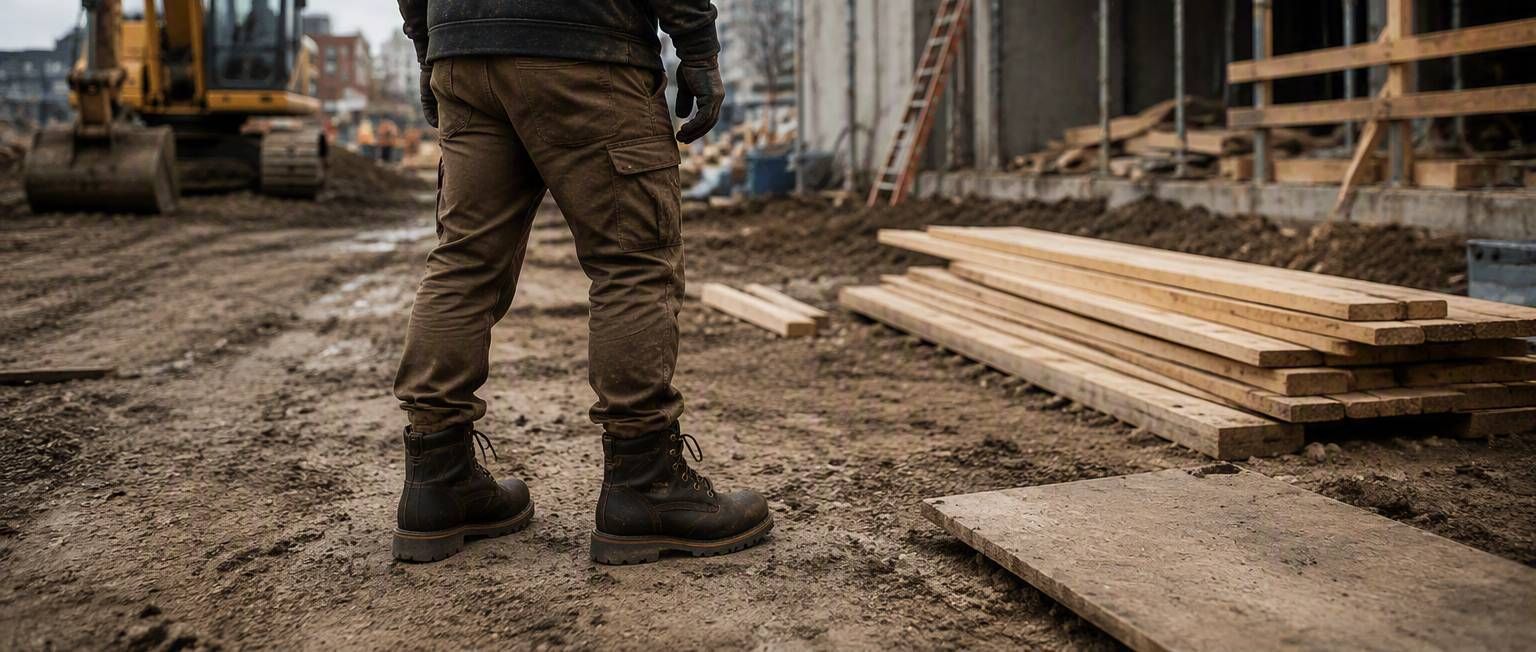
- Heavy Construction & Demolition: Rely on puncture-resistant plates, metatarsal guards, and tough steel or alloy toes.
Getting the Right Fit and Maintaining Your Boots
Even the best-built boot will underperform if it does not fit correctly or lacks basic upkeep. Ensuring proper fit from day one and establishing a routine maintenance habit will maximize both comfort and boot longevity.
- Testing for Proper Fit: Try boots on at the end of the day when your feet are naturally slightly swollen, and wear the exact work socks you use on the job. Your heel should sit securely with minimal slip, while your toes need about a half-inch of clearance so they never press against the front—especially in safety-toe models where the cap will not stretch.
- Breaking In New Boots Gradually: Avoid wearing brand-new boots for a full, 12-hour shift immediately. Wear them around the house for a few hours first, or rotate them for half-shifts alongside your old pair over 3 to 5 days. This lets the leather soften and mold to your foot's natural flex points without causing painful blisters. Never soak leather in water or apply direct heat to speed up the process, as this permanently damages the hide and adhesive bonds.
- Simple Care to Extend Boot Life: Brush off dry dirt and mud after shifts, as dried grime draws moisture out of leather and causes premature cracking. Applying a quality leather conditioner every few weeks keeps the hide supple and maintains water resistance. Replacing worn insoles once or twice a year can also restore out-of-the-box cushioning without needing to buy a whole new pair of boots.
Evaluating Price and Long-Term Value
Price is often a consideration when comparing premium safety toe boots to standard work boots. While higher-quality footwear may require a larger upfront investment, many workers find value in longer service life, enhanced comfort, and the ability to choose a boot specifically suited to their work environment.
A well-made pair of boots that lasts for years reduces the need for frequent replacements. More importantly, wearing comfortable, supportive, and properly rated footwear helps prevent lost work days, fatigue, and joint strain—making quality boots a smart choice for your daily comfort and overall well-being.
Finding Your Ideal Work Boot
Choosing between a safety toe boot and a standard work boot starts with understanding the demands of your job. For workers regularly exposed to falling objects, compression hazards, or jobsite safety requirements, a quality safety toe boot can provide valuable protection. For others, a traditional work boot may offer the comfort, flexibility, and performance they need. The key is selecting a well-built boot that fits properly and is designed for the conditions you encounter every day.
At the end of the day, the best work boot is the one that fits your feet correctly, keeps you safe on the job, and gets you home comfortable after a long shift. If your workplace carries risk from falling items or heavy machinery, a certified safety toe boot is an indispensable tool for your personal safety. If your work calls for maximum mobility and low weight, a well-crafted standard work boot provides the flexibility, cushion, and durability you need.
Because every worker's feet and job demands are unique, trying on different styles and getting an accurate fit is crucial before stepping onto the job site. Visit Chester Boot Shop today to browse our extensive inventory of top-rated safety toe and standard work boots. Our experienced team is ready to offer friendly, local expertise and help you select the durable, high-performance footwear you can rely on shift after shift.