October 30, 2026
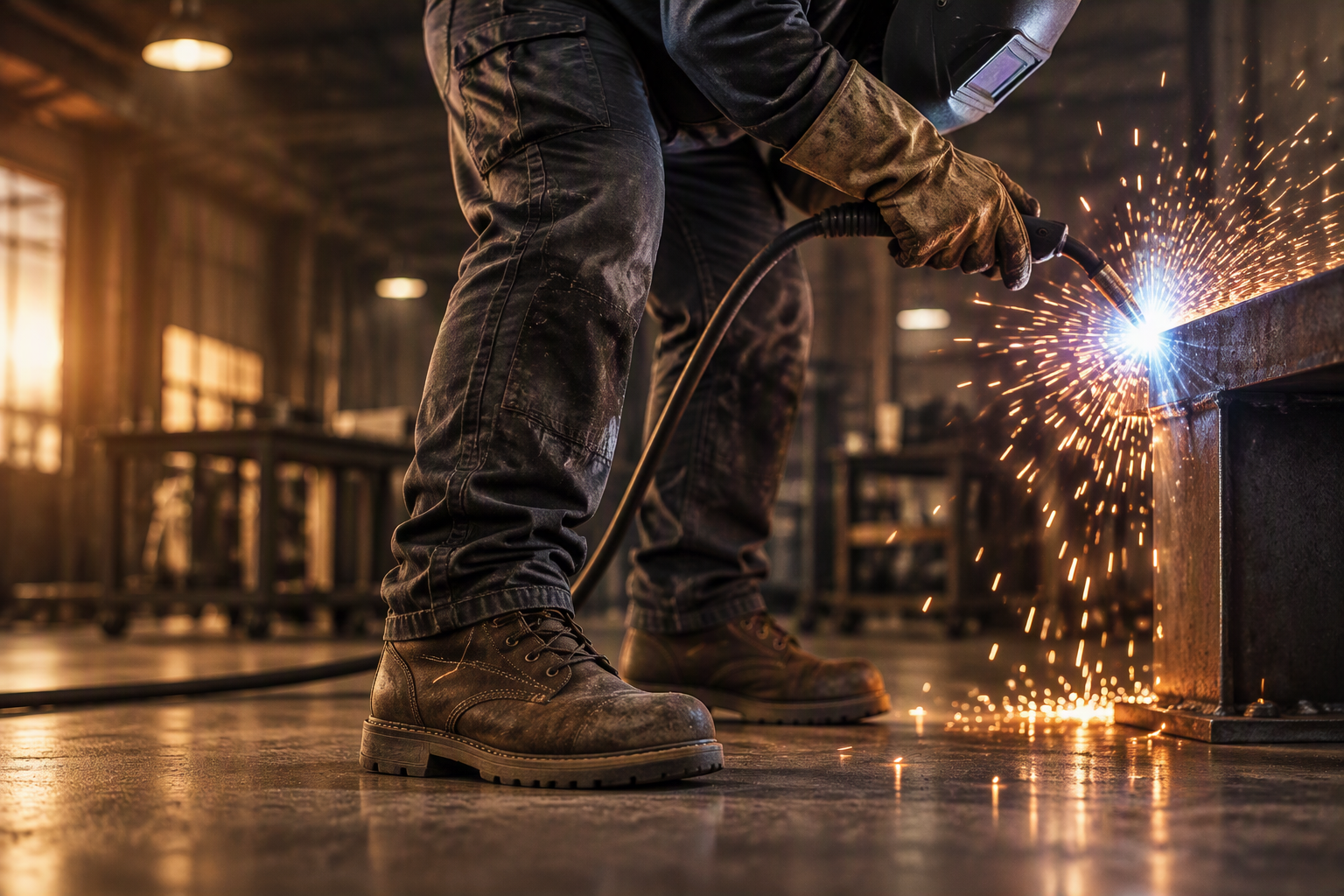
Winter might go easy and work might, too. But we're not counting on it. A good pair of boots won't do the work for you, but they'll make the day a little less tough. From cold mornings and muddy job sites to long hours on your feet, the right boots help keep you comfortable, protected, and ready for whatever the day brings. When your feet stay warm, dry, supported, and safe, it's easier to get the job done and get through the day.
Choosing the right boots for outdoor work is an important investment in safety, comfort, and productivity. The right footwear can make a significant difference for people who spend long hours on construction sites, farms, trails, and other demanding environments. When selecting local work boots, workers should consider the conditions they regularly face and the protective features their jobs require.
Outdoor work boots need to provide more than basic protection from the weather. They should offer dependable traction, adequate support, durable construction, and a comfortable fit for extended periods of wear. According to Applied Ergonomics, falls contribute to 43% of construction deaths, making stable and protective footwear an important consideration for workers in hazardous environments.
Important Features to Consider
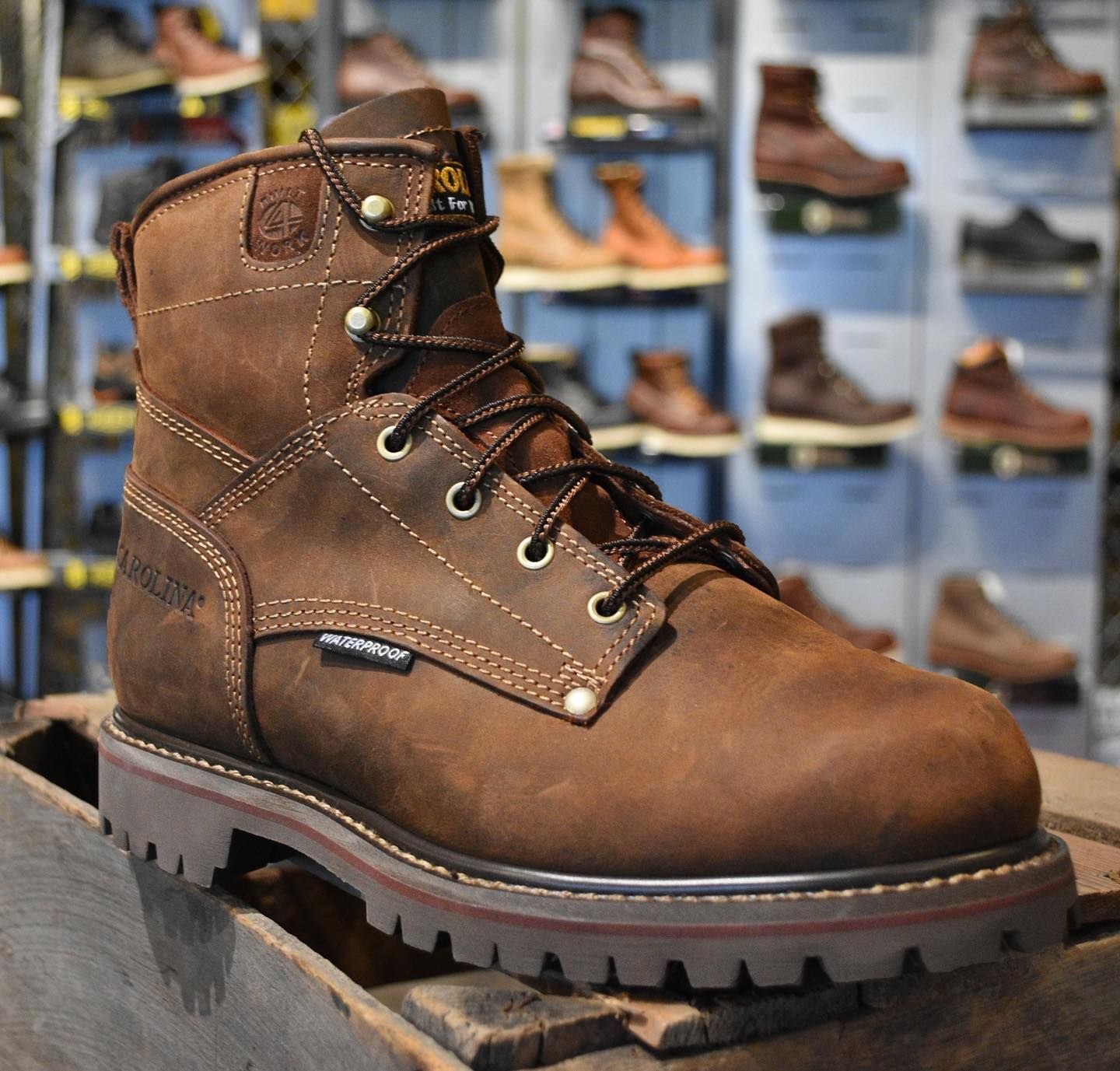
Water resistance is important for workers who regularly encounter rain, mud, snow, or wet job sites. Waterproof materials and membranes can help keep feet dry while breathable construction allows perspiration to escape. This combination can improve comfort during long periods outdoors.
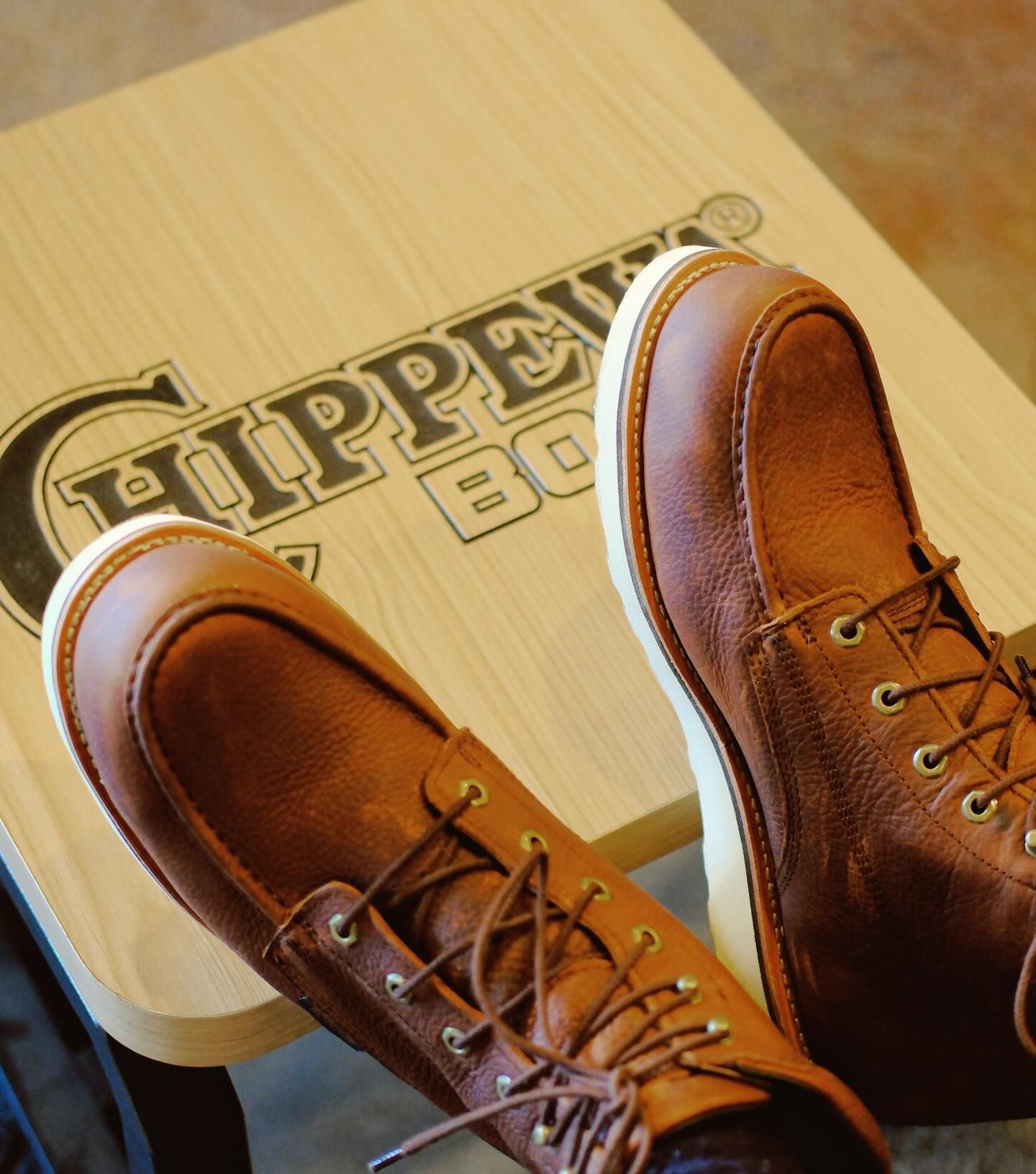
Durability is another major consideration when choosing local work boots. Full-grain leather is valued for its strength and resistance to abrasion, while modern synthetic materials can provide lightweight performance and specialized protection. Reinforced stitching and durable soles can help footwear withstand demanding conditions.
Protective toes are particularly important for jobs where workers may encounter falling or rolling objects. Steel, composite, and alloy toe designs provide different combinations of protection, weight, and comfort. Workers should select protection that corresponds with the hazards and safety requirements associated with their occupation.
Traction is equally important when working around mud, loose gravel, wet surfaces, or uneven terrain. A properly designed outsole can provide greater stability and reduce the likelihood of slipping. Rubber compounds and specialized tread patterns are commonly used to improve grip across challenging surfaces.
Comfort and fit should never be overlooked. Workers may spend most of an eight- or ten-hour shift in their boots, so poor-fitting footwear can contribute to discomfort and fatigue. Properly fitted local work boots should provide enough room for natural foot movement while keeping the heel secure.
Materials Used in Work Boots
Leather remains one of the most popular materials for durable work footwear because of its strength and ability to withstand demanding conditions. Full-grain leather can resist abrasions while gradually conforming to the wearer's feet. It also provides a traditional appearance for workers who prefer classic footwear.
Synthetic materials provide another option for workers seeking lighter footwear or specialized performance. Depending on the design, synthetic boots may offer increased flexibility, breathability, water resistance, or chemical resistance. Advances in manufacturing have improved the durability of many synthetic materials.
Waterproof membranes are useful when outdoor work frequently involves rain or wet terrain. Technologies such as GORE-TEX are designed to prevent outside moisture from entering while allowing some internal moisture to escape. This can help workers remain comfortable without excessively heavy footwear.
The outsole material can have a major impact on performance. Rubber is commonly selected for durability and traction, while polyurethane can provide cushioning and a lighter feel. Different outsole designs are suited to different working environments.
Insulation is another consideration for people who work outdoors during colder months. Thermal materials can help maintain warmth without necessarily making boots excessively heavy. The appropriate amount of insulation depends on the climate, activity level, and length of time spent outdoors.
Matching Boots to the Work Environment
Construction workers typically need footwear that prioritizes protection, stability, and traction. Job sites may contain heavy equipment, loose materials, uneven ground, and objects that could cause injuries. Local work boots selected for construction should provide appropriate toe protection, durable uppers, supportive construction, and reliable traction.
Agricultural workers face different challenges. Mud, rain, irrigation, chemicals, rough ground, and changing temperatures can all affect footwear performance. Waterproof construction, durable materials, dependable traction, and appropriate insulation can make local work boots better suited to changing farm conditions.
Forestry and trail work require footwear that performs well on uneven terrain. Strong ankle support can provide stability when walking across rocks, roots, mud, and slopes. Aggressive tread patterns can also help provide traction where smooth soles may struggle.
Landscaping professionals frequently work in conditions involving grass, soil, gravel, water, and changing weather. Their footwear should provide a balance between durability, traction, water resistance, and comfort. Local work boots with sturdy construction can help workers stay supported while moving between different outdoor surfaces.
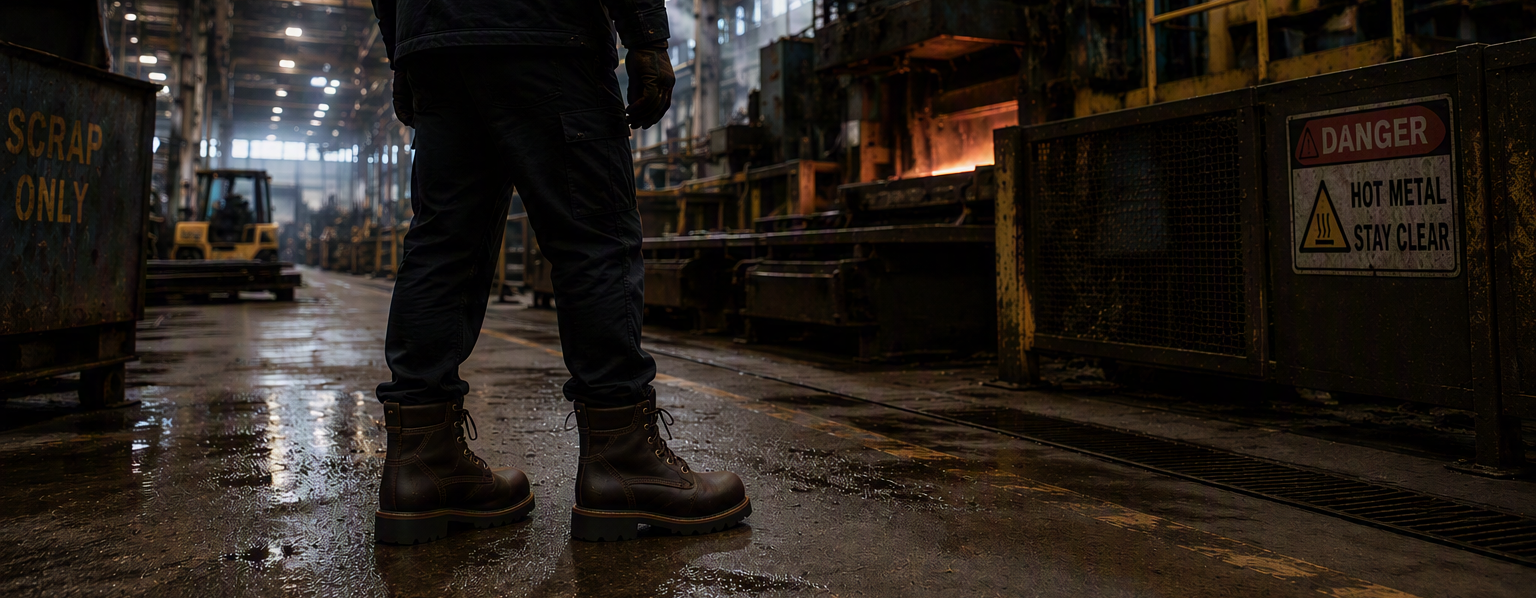
Workers involved in utility, road, and infrastructure projects may encounter standing water, debris, uneven pavement, and heavy equipment. Footwear should be selected according to the specific risks of the job rather than appearance alone. Appropriate protective features can provide an important layer of support in demanding environments.
Finding the Right Fit
A proper fit is one of the most important factors when selecting work footwear. Boots that are too tight can create pressure points, while boots that are too loose can allow excessive movement and friction. Workers should consider both length and width as well as the type of socks normally worn.
Foot shape can also influence which boot design feels most comfortable. Some manufacturers offer wider toe boxes, different width options, or designs intended to accommodate particular foot shapes. Trying several styles can make it easier to identify footwear that provides support without restricting movement.
The weight of a boot is another factor worth considering. Heavy-duty footwear may provide excellent protection, but excessive weight can contribute to fatigue during long shifts. Lightweight materials and modern construction can provide a useful balance between protection and mobility.
Why Proper Footwear Matters
Work boots are an important component of occupational safety, but they also affect comfort throughout the workday. Foot discomfort can become increasingly distracting during long shifts, especially when workers regularly walk, climb, kneel, or stand. Selecting local work boots with appropriate support and cushioning can help workers remain comfortable.
Traction deserves particular attention because outdoor environments can change quickly. Rain can make pavement slippery, mud can reduce stability, and loose gravel can make every step less predictable. Choosing footwear with an outsole suited to the working environment can provide greater confidence when moving across difficult surfaces.
Weather protection can also make a substantial difference. Wet or cold feet can quickly become uncomfortable when exposure lasts for several hours. Waterproof materials and appropriate insulation can help workers remain focused on their responsibilities.
Choosing Boots Based on Your Needs
There is no single work boot that is ideal for every outdoor occupation. Construction workers may prioritize protective toes and aggressive traction, while agricultural workers may place greater emphasis on waterproofing and chemical resistance. Understanding the demands of the job makes it easier to identify the features that matter most.
Seasonal conditions should also influence selection. Lightweight, breathable footwear may be preferable during hot weather, while insulated and waterproof designs can be more appropriate during colder months. Workers who operate throughout the year may benefit from having local work boots suited to changing conditions.
Safety requirements should always be considered before purchasing. Certain workplaces require specific protective features or safety ratings based on the hazards present. Workers should review employer requirements and select footwear that meets those standards.
Shop for Quality Outdoor Work Boots
Finding dependable footwear starts with understanding what your job requires. Workers should evaluate safety features, materials, traction, weather resistance, fit, and durability before settling on a particular style. These factors can make it easier to find local work boots that provide the right combination of protection and comfort.
Chester Boot Shop can help customers explore work footwear suited to demanding outdoor conditions. Whether you need durable boots for construction, agriculture, landscaping, industrial work, or another outdoor occupation, the right pair can provide valuable support throughout the workday. Visit Chester Boot Shop to explore available work footwear and our legacy of grit since 1948.